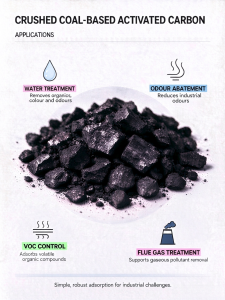
Gas purification remains one of the most critical challenges in modern industrial operations, environmental protection, and indoor air quality management. Among the diverse array of adsorbent materials available, activated carbon for gas purification has established itself as the workhorse technology due to its exceptional porosity, chemical stability, and cost-effectiveness. Whether the objective is removing volatile organic compounds (VOCs) from manufacturing exhaust, eliminating odorous sulfur compounds from wastewater treatment facilities, or recovering valuable solvents from process streams, activated carbon delivers reliable performance across an extraordinarily wide range of operating conditions. This article examines the fundamental mechanisms governing gas-phase adsorption on activated carbon, explores the key material properties that determine performance, and provides practical guidance for system design and optimization.
Understanding the Adsorption Mechanism
Activated carbon removes gaseous contaminants through a combination of physical adsorption and, in certain formulations, chemical adsorption. Physical adsorption—also known as physisorption—relies on van der Waals forces and occurs when gas molecules adhere to the vast internal surface area of the carbon matrix. This process is exothermic and reversible, which makes thermal or pressure-swing regeneration feasible. The high specific surface area of activated carbon, typically ranging from 800 to over 1,500 m²/g, provides an enormous number of adsorption sites per unit mass . Chemical adsorption, by contrast, involves stronger bonds formed between the adsorbate and specific surface functional groups or impregnants, and is generally irreversible under normal regeneration conditions.
The effectiveness of physisorption depends heavily on the molecular characteristics of the target pollutant. Larger molecules, unsaturated compounds, and aromatic species generally exhibit stronger adsorption affinities than small, highly polar molecules. This principle explains why activated carbon excels at capturing benzene, toluene, xylene, and other aromatic VOCs, while smaller molecules such as formaldehyde or hydrogen sulfide may require tailored modifications . Understanding this hierarchy of adsorption affinities is essential for predicting system performance and designing appropriate carbon selection strategies.
Key Factors Determining Activated Carbon Performance
Several interrelated material properties govern how effectively an activated carbon will purify a given gas stream. The pore structure represents the most fundamental consideration. Micropores (less than 2 nm in diameter) provide the primary adsorption volume for most gas-phase contaminants, while mesopores (2–50 nm) facilitate transport of adsorbate molecules to the micropore entrances. A carbon with a well-developed micropore network will generally exhibit superior capacity for low-concentration VOC removal, whereas mesoporosity becomes more important when treating larger molecules or when operating at higher humidity levels where water vapor competes for adsorption sites.
The surface chemistry of activated carbon also plays a decisive role, particularly when targeting polar or reactive gases. Oxygen-containing functional groups—such as carboxyl, hydroxyl, and carbonyl groups—influence the hydrophilicity of the carbon surface and can participate in specific interactions with adsorbate molecules. For acidic gases like sulfur dioxide or hydrogen sulfide, impregnation with alkaline compounds such as potassium hydroxide or sodium hydroxide dramatically enhances capture efficiency through acid-base chemistry. Similarly, impregnants like potassium iodide or sulfur compounds are employed to oxidize and immobilize elemental mercury from combustion flue gas. The choice between unmodified and impregnated carbon depends on whether physisorption alone can achieve the required removal efficiency.
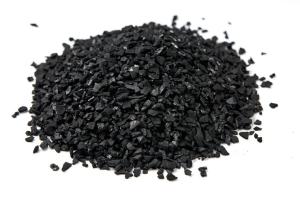
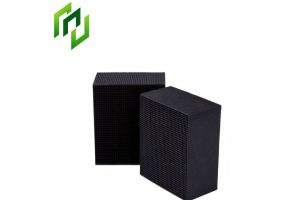
Particle size and bed configuration represent often-overlooked but practically significant factors. Smaller carbon particles provide faster adsorption kinetics due to shorter diffusion paths, but they also increase pressure drop across the bed, raising fan energy costs. Larger particles reduce pressure drop and improve bed stability but may suffer from reduced adsorption rates, particularly for slowly diffusing species . Pelletized or granular forms are standard for fixed-bed industrial systems, while fibrous activated carbon cloth finds use in applications requiring low pressure drop and compact footprint, such as personal protective equipment and indoor air filtration.
Industrial Applications of Activated Carbon in Gas Purification
The versatility of activated carbon is demonstrated by its deployment across numerous industrial sectors. In the chemical and petrochemical industries, activated carbon beds are routinely used to recover solvent vapors from process vents, purifying gas streams while recovering valuable materials for reuse. Pressure swing adsorption and thermal swing adsorption cycles allow continuous operation, with the carbon regenerated by reducing pressure or applying heat to desorb the captured organics . The recovered solvents—often chlorinated hydrocarbons, ketones, or esters—represent both an environmental compliance solution and an economic benefit.
Environmental emissions control represents another major application area. Activated carbon injection is widely employed in municipal waste incinerators and coal-fired power plants to capture mercury, dioxins, and heavy metals from flue gas before release to the atmosphere. In these high-temperature, high-flow environments, the carbon must be engineered for rapid adsorption kinetics and resistance to attrition. Similarly, wastewater treatment plants utilize activated carbon to scrub hydrogen sulfide and other odorous compounds from headspace gases and ventilation air, protecting both workers and surrounding communities from nuisance odors.
Indoor air quality management has driven significant innovation in activated carbon formulations. Formaldehyde, a common indoor pollutant emitted from building materials and furnishings, presents a particular challenge due to its small molecular size and high polarity. Standard activated carbon exhibits limited capacity for formaldehyde under realistic indoor humidity conditions, where water vapor competes effectively for adsorption sites . Modified carbons incorporating amine groups or metal oxides have demonstrated substantially improved formaldehyde capture through chemical interaction rather than pure physisorption. These specialized materials are increasingly found in air purifier filters and HVAC filtration systems targeting health-conscious consumers and green building certifications.
System Design and Operational Considerations
Designing an effective activated carbon gas purification system requires careful attention to several operational parameters. Temperature must generally be maintained below approximately 200°F (93°C) for standard physisorption applications, as higher temperatures shift the adsorption equilibrium toward desorption and reduce capacity . For hot gas streams, pre-cooling via heat exchangers is typically necessary before the carbon bed. Relative humidity represents another critical variable; water vapor competes with target pollutants for adsorption sites, and at relative humidities above 50–60%, the capacity for organic vapors can decline significantly. Hydrophobic activated carbons or pre-drying of the gas stream may be required in humid environments.
Regeneration strategy determines both the economics and the environmental footprint of the system. Thermal regeneration, typically conducted at 200–1,000°F depending on the adsorbate, drives off captured contaminants but causes some gradual loss of adsorption capacity with each cycle. Steam regeneration is common for solvent recovery applications, where the condensed steam and desorbed solvent can be separated by gravity. Pressure swing regeneration, used primarily for gas separation rather than trace contaminant removal, exploits the difference in adsorption affinity between gases to produce purified product streams . The choice among these approaches depends on the value of the recovered material, the availability of utilities, and the frequency of regeneration required.
Safety considerations merit particular emphasis when designing systems for flammable or reactive adsorbates. Adsorption is exothermic, and the heat released during rapid adsorption of high concentrations of organic vapors can create hot spots within the bed. In extreme cases, this can lead to spontaneous ignition of the carbon or the adsorbed material. Proper system design includes temperature monitoring at multiple bed depths, dilution of high-concentration streams before the carbon bed, and provision for emergency purging or isolation. Additionally, the spent carbon from certain applications—particularly those involving hazardous air pollutants—may require handling as hazardous waste, and regeneration or disposal must comply with applicable regulations.
Selecting the Right Activated Carbon Product
Given the diversity of gas purification challenges, no single activated carbon product can be optimal for all applications. A systematic selection process considers the target pollutant properties (molecular size, polarity, concentration, and required removal efficiency), the gas stream characteristics (temperature, humidity, and presence of competing species), and the operational constraints (available pressure drop, regeneration frequency, and budget). Working with an experienced supplier who can provide adsorption isotherm data and pilot-scale testing is strongly recommended before committing to full-scale system design.
For applications involving standard VOC removal from relatively dry gas streams, a high-surface-area granular carbon with well-developed microporosity will typically deliver excellent performance at competitive cost. Where hydrogen sulfide, ammonia, or other reactive gases are present, impregnated carbons should be specified. For space-constrained applications or where pressure drop is a concern, activated carbon cloth or felt may offer advantages. Comprehensive technical information on selecting appropriate carbon products for specific gas purification challenges is available through specialized suppliers such as JXMECarbon’s gas purification solutions, which provide detailed product specifications and application guidance.
Conclusion
Activated carbon remains an indispensable technology for gas purification, combining proven performance with adaptability across an extraordinary range of contaminants and operating conditions. As environmental regulations tighten and indoor air quality standards become more stringent, the demand for high-performance activated carbon solutions continues to grow. Future developments are likely to focus on engineered carbons with enhanced selectivity for challenging pollutants—particularly small, polar molecules that resist conventional physisorption—and on more energy-efficient regeneration strategies that reduce the carbon footprint of adsorption-based purification systems. By understanding the fundamental mechanisms, carefully matching carbon properties to application requirements, and designing systems with appropriate attention to operational variables, engineers and facility managers can continue to rely on activated carbon as a cornerstone of their gas purification strategies.