Crush coal-based activated carbon
Introduction
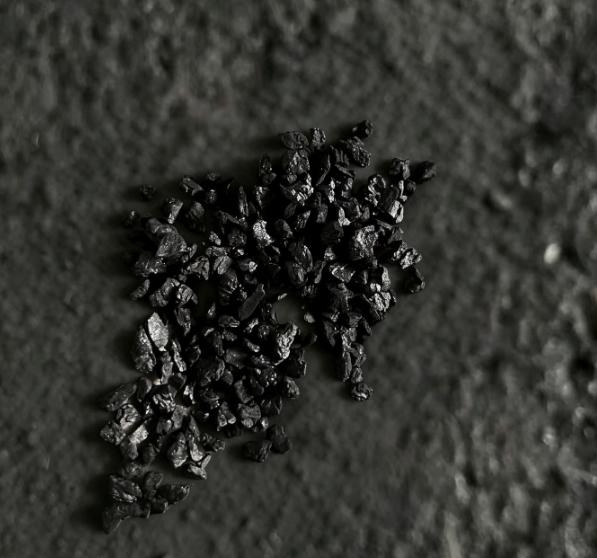
Crushed coal-based activated carbon, mostly produced from anthracite, is a widely adopted adsorbent for industrial water and gas treatment. It stands out for high mechanical strength, rich micropores and competitive cost. However, its higher ash content makes it unsuitable for high-purity scenarios like gold CIP leaching and food decolorization. Fueled by stricter emission standards, its demand for VOC and wastewater treatment keeps growing.
Raw Material
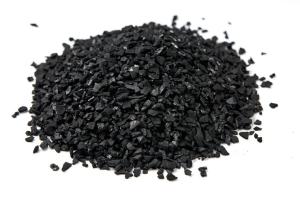
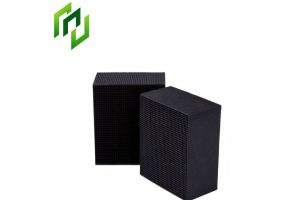
Coal-based activated carbon is manufactured in high-quality anthracite coal. It is usually in the form of black cylindrical or irregular granular shapes (also be known as crushed carbon). Our coal-based pellet activated carbon, coal-based powdered activated carbon and coal-based honeycomb activated carbon all belong to this category.
Technological process
High-quality anthracite coa-based activated carbon is produced through a series of consecutive processes.: carbonization → cooling → activation → crushing & sieving. Pores are mainly micropores formed by physical activation. The finished product is irregular granular crushed carbon.
应用领域 Area
liquid phase adsorption method: The ash content of coal-based activated carbon is comparatively higher, and it contains microscale amounts of precious metals, with a comparatively low purity. Most of its pores are micropores formed through physical activation, which are suitable for the adsorption of small molecules and have a relatively narrow application range.
It is widely apply in industrial liquid-phase treatment fields such as petrochemicals, metallurgy, textile printing and dyeing, and wastewater treatment.
Gas phase adsorption: Coal-based activated carbon has high mechanical strength and is easy to recover, so it is the mainstream choice for gas phase adsorption.
In the long term: Anthracite is a non-renewable resource. The coal-based activated carbon production process has a high carbon emission, so its price is greatly influenced by raw material costs and environmental compliance costs. The carbon emissions from activated carbon produced from coal are relatively high, so its price is greatly influenced by the cost of raw materials and environmental compliance factors.
Why crush coal-based activated cabon so popular and holds a large market share globally ?
Here are the some feature to let you notice
Crushed Coal-based Activated Carbon: Advantages and Disadvantages
Crushed coal-based activated carbon is irregular granular carbon produced from anthracite coal by crushing and activation. It is widely used in industrial water treatment and gas adsorption.
Advantages
1.High mechanical strength & good attrition resistance
Its hardness are higher than most wood or shell-based activated carbon, so it generates fewer fines under high flow rate and frequent backwashing, to lowering carbon loss.
2.Well-developed micropores for small-molecule adsorption
Its pore structure is mainly by micropores, which function efficiently in removing small organic molecules, residual chlorine, heavy metals and volatile organic compounds.
3.Cost-effective
Anthracite raw material is abundant. Its production cost is much lower than coconut shell and wood-based activated carbon, ideal for large-volume industrial projects with tight budgets.
4.Irregular particle shape improves mass transfer
The angular crushed shape creates complex voids inside the carbon bed, allowing sufficient contact between the fluid and carbon media. It performs well in fixed-bed treatment systems.
5.Good chemical & thermal stability
Resistant to acids and alkali, keep stable under a wide pH range, and can be regenerated multiple times with moderate performance loss.
6.Stable supply
A stable supply in the busy season is critical to the clients ,it can help a lot when the enterprise face the emergency circumstances . Ensure that the enterprise will not experience any supply disruptions.
Disadvantages
1.High ash content and impurities
It normally contains higher ash and trace heavy metals. It is not suitable for food, pharmaceutical purification or gold CIP leaching, as impurities may interfere with the gold recovery circuit.
2.Lack of mesoporous
Micropores dominate its structure. It is poor at adsorbing large molecules such as pigment, so it is not a good choice for decolorization of sugar syrup or macromolecular wastewater.
3.Risk of fine powder release
Fines are unavoidable from crushing. Poor screening will cause black water at the initial stage of operation.
4.Higher bulk density
It is heavier than coconut shell carbon at the same volume, which increases loading and freight cost.
5.Less eco-friendly
Anthracite is non-renewable. Its manufacturing process generates higher carbon emissions, so it may be rejected by projects with strict ESG requirements.
Purchase Tips
Crushed coal-based activated carbon suit for industrial wastewater, groundwater heavy metal removal and waste gas VOC treatment.
It is also a major filtration medium widely used and economically practical in the field of industrial water and gas treatment.,
Do not use coal-based crushed carbon for gold leaching and food-grade purification.
Not sure whether crushed coal-based fits your process? Send us your product field, targeted pollutant and budget. We will recommend the correct grade and sample support. Full set of official docs (such as each batch COA MSDS TDS can be also provide as your local stardard.
In the last, wish all the clients can choose the most favorable and most suitable activated carbon , welcome to propose an exchange of opinions .
There is no universally better activated carbon. The best choice depends on what character were you most focus ,purity standards and budget.